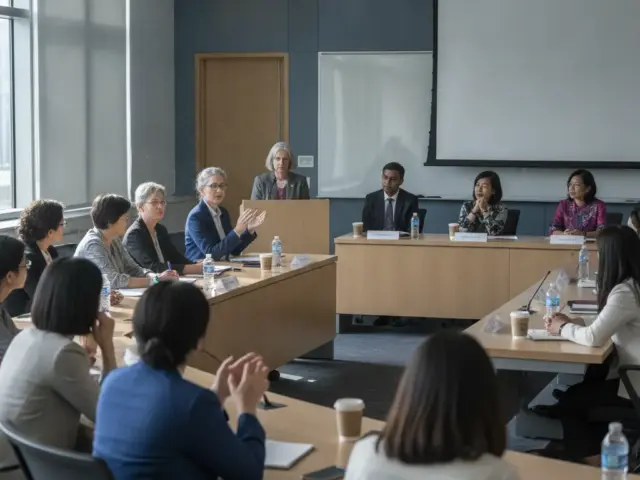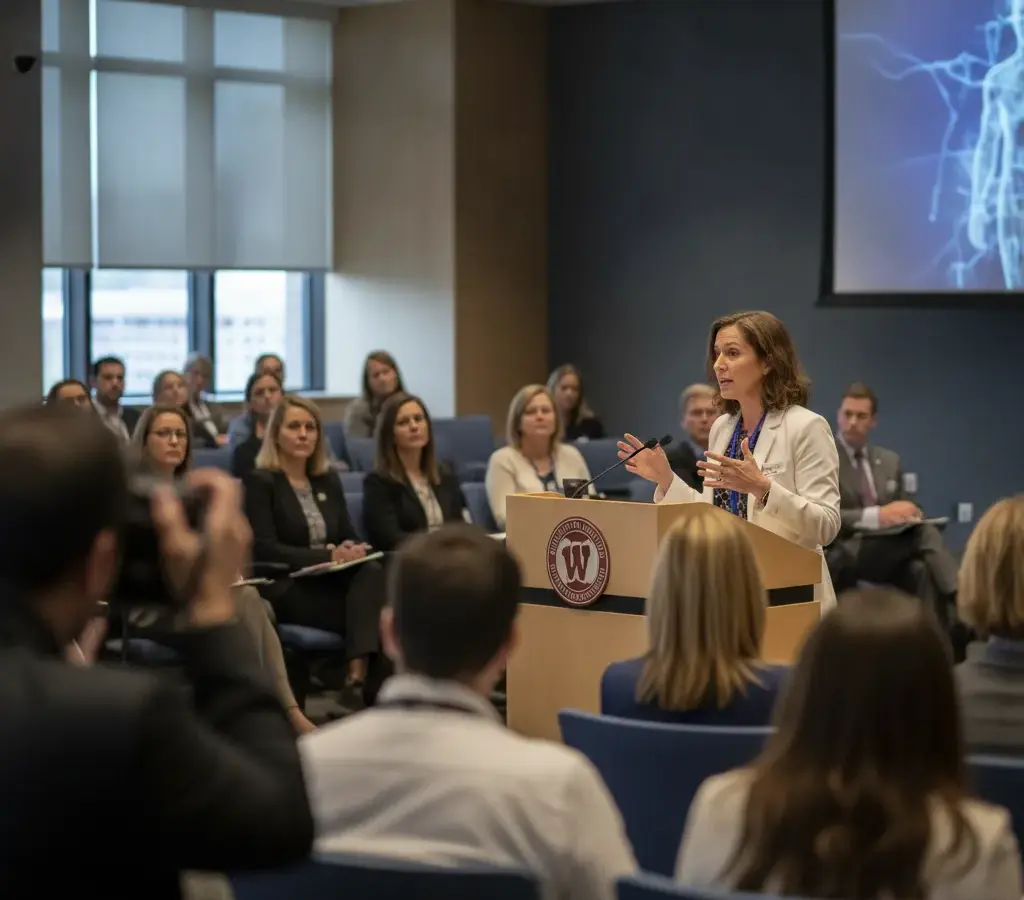
The University of Wisconsin School of Medicine and Public Health recently hosted researcher Nicole Rogus-Pulia for a critical discussion on rethinking how the medical community handles dysphagia. As part of the Precision Public Health Forum held by the Center for Health Disparities, Rogus-Pulia challenged the traditional one size fits all approach to treating swallowing disorders. She argued that because dysphagia can lead to severe complications like pneumonia and malnutrition, healthcare providers must shift toward precision public health, which focuses on delivering the right intervention to the right person at the exact moment it is needed most.
A central part of this personalized strategy involves understanding a patient’s exosome, or the sum of all biological and environmental exposures they face throughout their life. This perspective is particularly vital for vulnerable populations, such as those living with Alzheimer’s and dementia, where research has historically been lacking. To address this gap, Rogus-Pulia and her team developed the Rehabilitation Treatment Specification System Dysphagia. Their findings indicate that these targeted interventions significantly improve patient outcomes compared to standard clinical practices.
Beyond treatment, Rogus-Pulia highlighted a systemic failure in awareness and infrastructure that leaves many patients behind. Most people take swallowing for granted, performing the action hundreds of thousands of times a day without thought, yet both laypeople and some healthcare workers remain unaware of when dysphagia becomes a crisis. This lack of knowledge leads to widespread underreporting and delayed diagnoses, meaning many patients never receive specialized care until it is too late.
The crisis is further compounded by a stark lack of resources in long term care facilities and high deprivation areas. With nearly forty percent of community clinicians lacking direct access to necessary imaging tools, many doctors default to placing patients on restrictive liquid diets rather than pursuing curative therapies. Looking forward, Rogus-Pulia emphasized that improving survival rates and quality of life requires more than just better medicine; it demands culturally sensitive outreach and a concerted effort to make diagnostic tools accessible to every patient regardless of their zip code.